

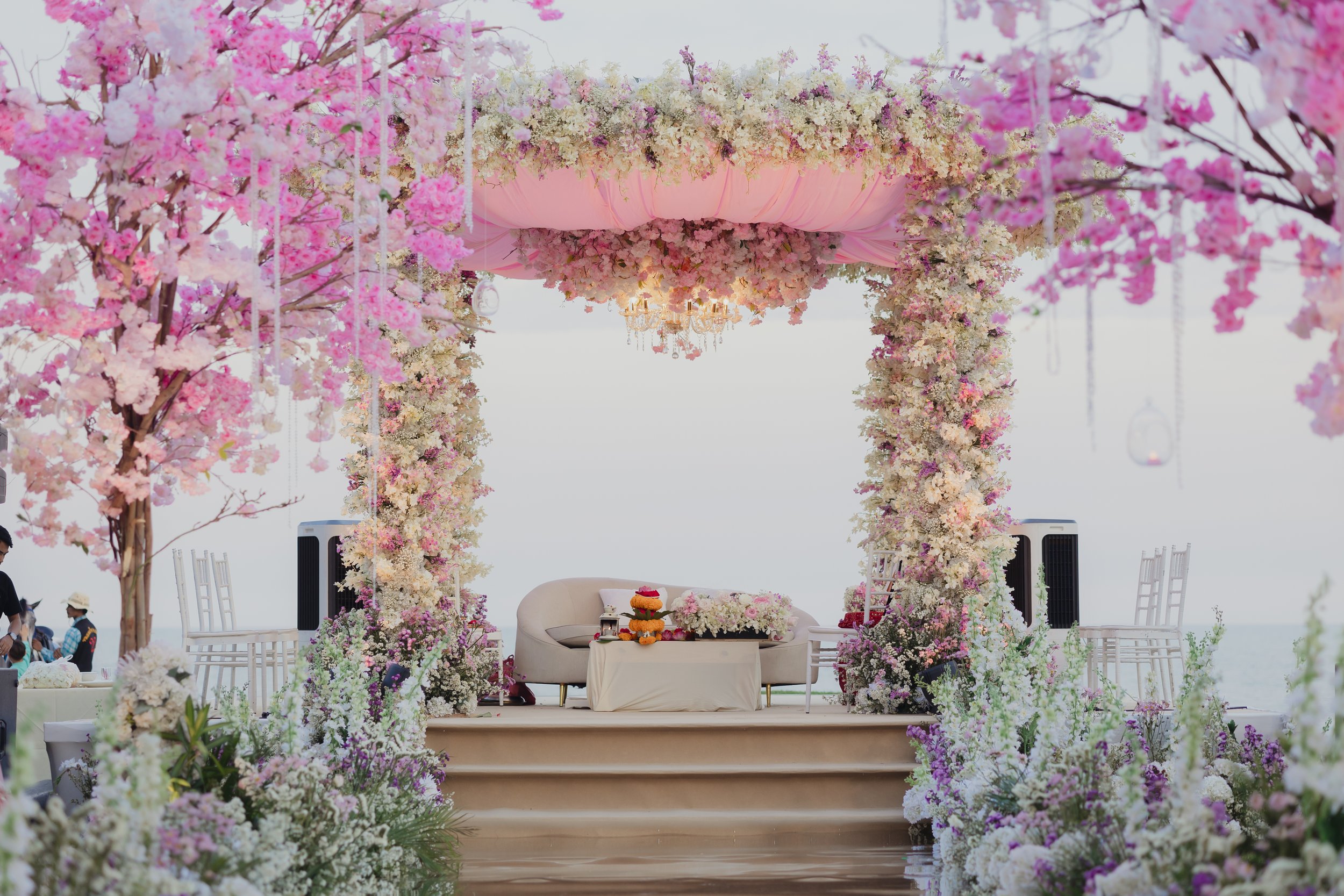
Weddings have always balanced two powerful forces: tradition and personal expression. While many couples still cherish rituals passed down through generations, modern celebrations are increasingly about authenticity and crafting a day that reflects the couple’s values and personalities.
For Indian weddings in particular, you’re balancing rich cultural traditions and family involvement with modern wedding ideas and personal touches. The result? Every wedding feels unique. While the formats tend to be fairly similar, many couples are reimagining traditions in ways that feel personal to them.
Here’s a look at which traditions couples often keep, and which ones they’re creatively reinventing.
Traditions Worth Keeping
Some traditions will always endure because they hold cultural and emotional significance - even couples planning modern celebrations often keep these rituals close to the heart.
The Ceremony Rituals
In Indian weddings, the ceremony itself is filled with symbolic rituals that represent commitment, unity, and shared life.
For Hindu weddings, moments like the pheras (walking around the sacred fire), saptapadi (seven steps together), or mangal pheras hold deep spiritual meaning. Sikh weddings centre around the Anand Karaj, where the couple circles the Guru Granth Sahib during the Laavan.
We’re seeing couples who often simplify and shorten their ceremonies but they will always keep the core rituals because they represent the true essence of marriage.
Why keep it:
They connect the couple to centuries of cultural heritage
Each ritual carries a symbolic meaning about partnership and shared responsibility
They create powerful, emotional moments during the ceremony
Mehndi & Pre-Wedding Celebrations
Indian weddings are famous for their joyful build-up, and pre-wedding events like the mehndi and sangeet continue to be some of the most loved traditions.
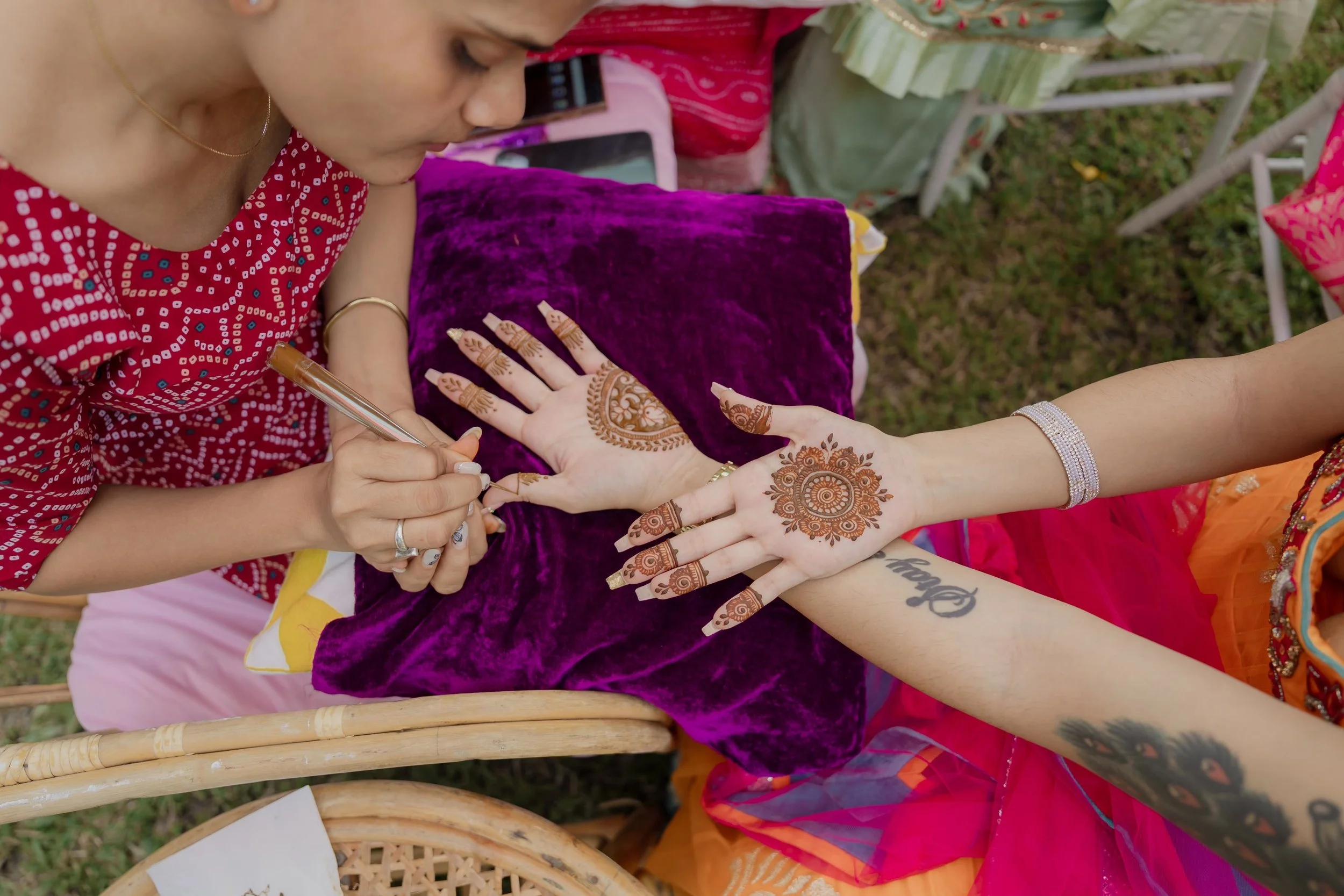
In a traditional mehndi ceremony, intricate henna designs are applied to the bride’s hands and feet, which is both beautiful and symbolic, but most brides want to attend their mehndi ceremony, so they will get their henna applied before the wedding festivities even begin. The Mehndi ceremony has become more of a fun daytime get-together, with good music, street food vibes and fun experiences - like tarot card readers, henna for the guests, foot massages and more!
The sangeet, historically a family gathering filled with music and dance, has evolved into one of the most entertaining parts of modern Indian weddings. The modern-day sangeet is full of choreographed dances and fun til the sun comes up. When we have fusion weddings, the sangeet tends to be the perfect event to showcase celebrations from both cultures. One of our recent couples did Bollywood dances, followed by teaching the Indian crowd a Ceilidh from Scotland.
Why keep it:
They bring families and friends together before the wedding day
They celebrate culture through music, dance, and art
They set the joyful tone for the days ahead
The Baraat
Few wedding moments match the energy of the baraat, the groom’s celebratory procession to the ceremony.
Traditionally accompanied by music, dancing, and sometimes a horse or decorated vehicle, the baraat is a joyful announcement that the wedding celebrations are underway.
Even in modern weddings, couples often keep the baraat because it brings an unmatched level of excitement and spectacle. Plus, the groom deserves his moment, too. While traditionally brides don’t attend the baraat, we’ve seen modern brides join in - fully ready except for their wedding outfit, which they quickly get into after the baraat.
Why keep it:
It creates a vibrant, celebratory entrance
It involves the groom’s family and friends in a lively way
It adds unforgettable energy to the wedding day
Traditions Being Reimagined
While many rituals remain beloved, modern Indian weddings are also evolving to reflect contemporary values, lifestyles, and family dynamics.
The Wedding Party
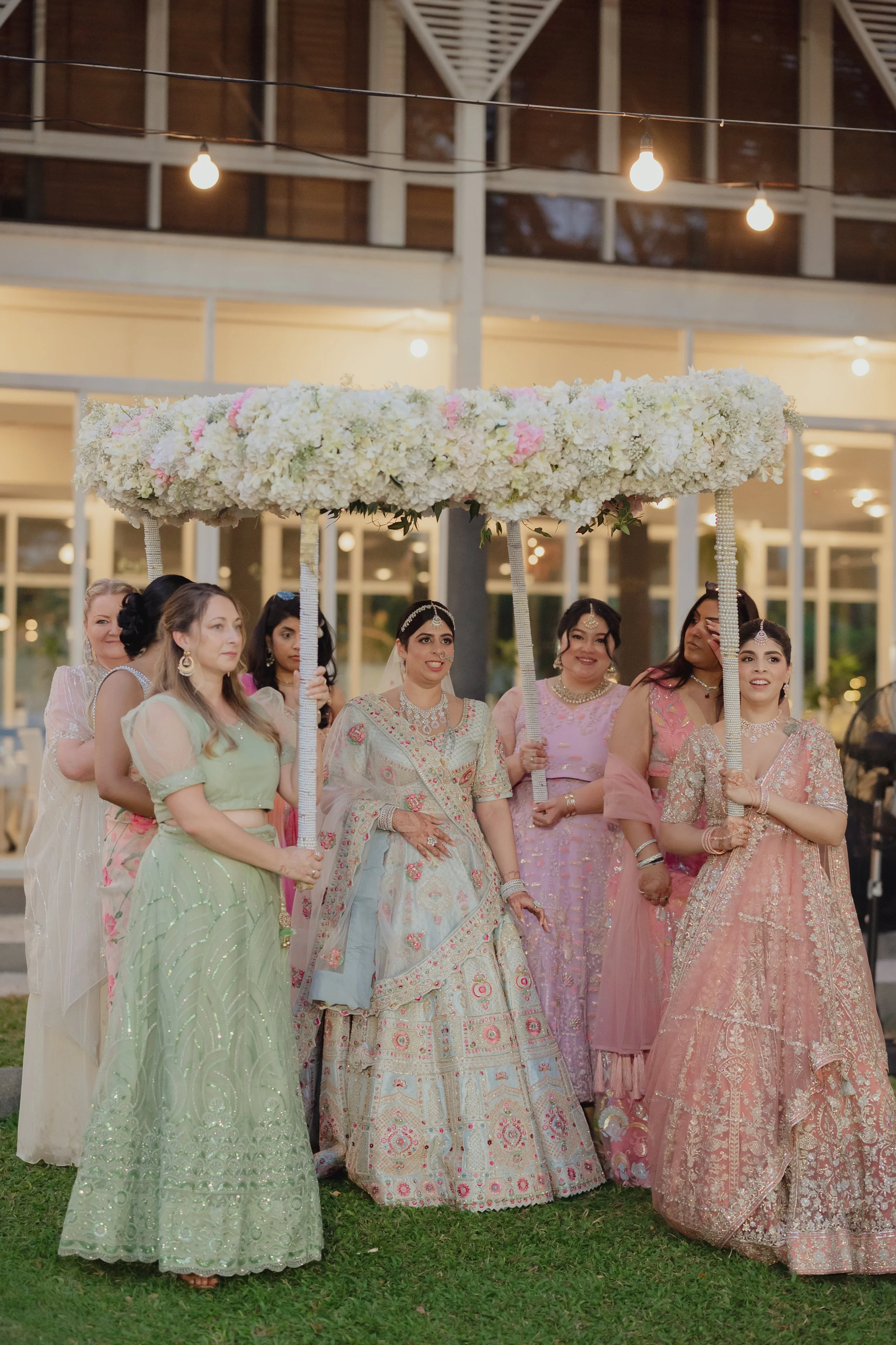
Indian weddings historically didn’t have formal bridesmaids and groomsmen in the Western sense. However, modern couples often include close friends and cousins as part of the celebration.
Rather than rigid roles, many couples now create relaxed “bridal squads” or “groom crews” who help with planning, dancing, and emotional support.
The modern approach: Focus less on titles and more on celebrating the people closest to you.
Who Walks Down the Aisle
In some Indian traditions, the bride is escorted by her parents during the kanyadaan ceremony, symbolising the giving away of the bride.
Many modern couples are rethinking this moment to better reflect equality and family unity.
Common variations include:
Both parents walking the bride down the aisle
The couple entering together
The bride walking in on her own
Families meeting halfway to symbolise two households joining
The modern approach: Transform the moment into a celebration of partnership rather than ownership.
Wedding Fashion
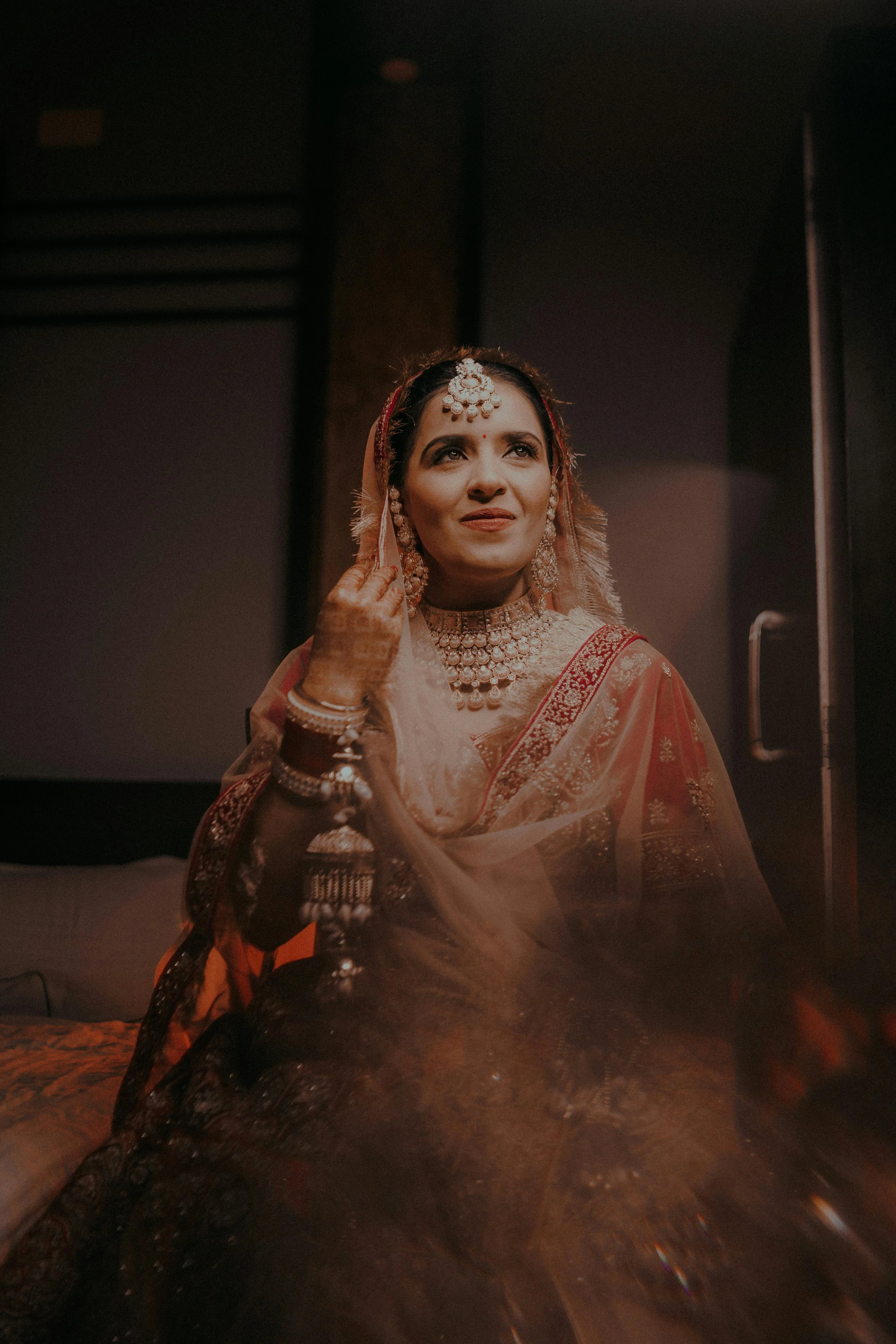
Traditional attire, like the red bridal lehenga or ivory sherwani, remains iconic, but couples are experimenting with colours, silhouettes, and styles.
Today you’ll often see:
Brides choosing pastels, golds, or unconventional colours
Grooms wearing embroidered jackets, velvet, or fusion outfits
Outfit changes for different events
Blending Western and Indian fashion elements
The modern approach: Honour tradition while embracing personal style.
The Reception Format
Indian wedding receptions are also evolving. Instead of long formal programmes, many couples are focusing on creating an experience.
Modern receptions might include:
Live entertainment or DJs
Western traditions like first dances, cake cutting and speeches
Interactive food stations
Cocktail-style receptions
Late-night after-parties
The modern approach: Turn the reception into a celebration that feels like a reflection of the couple’s personality.
Traditions Some Couples Are Letting Go Of
While Indian weddings are known for their grandeur, some couples are simplifying certain customs to make their celebrations more relaxed and meaningful.
Examples include:
Reducing the number of wedding events to two days instead of three
Shortening very long ceremony timelines
Skipping rituals that feel less personally relevant
Choosing intimate guest lists instead of very large gatherings
For many couples, the goal isn’t to remove culture, but to focus on the traditions that truly resonate with them.
The Real Tradition: Making It Your Own
Perhaps the most meaningful shift in modern Indian weddings is the freedom to personalise.
Couples today are asking thoughtful questions while planning:
Which rituals are most meaningful to us?
How can we honour our culture while reflecting who we are as a couple?
What kind of celebration will feel authentic to our families?
Maybe this era of weddings will lead to new traditions that are carried on for future generations. Either way, Romantic Society is honoured to be a part of this legacy.
